


-
 Sold out
Tiro Swiss Men's Watch J4.235.L
Regular price CFA243,100 XOFRegular price -
 Sold out
Tiro Swiss Men's Watch J4.204.L
Regular price CFA218,800 XOFRegular price -
Tiro Swiss Men's Watch J4.203.L
Regular price CFA186,400 XOFRegular priceCFA218,800 XOFSale price CFA186,400 XOFSale38 mm45 mm -
 Sold out
Tiro Swiss Men's Watch J4.201.L
Regular price CFA178,200 XOFRegular priceCFA218,800 XOFSale price CFA178,200 XOFSold out38 mm -
Tiro Swiss Men's Watch J4.233.L
Regular price CFA162,000 XOFRegular priceCFA243,100 XOFSale price CFA162,000 XOFSale45 mm -
Tiro Swiss Men's Watch J4.231.L
Regular price CFA243,100 XOFRegular price -
 New Sold out
Tiro Swiss Men's Watch J4.570.L
Regular price CFA218,800 XOFRegular price -
 Sold out
Tiro Swiss Men's Watch J4.296.L
Regular price CFA218,800 XOFRegular price -
Tiro Swiss Men's Watch J4.202.L
Regular price CFA218,800 XOFRegular price -
 New Sold out
Tiro Swiss Men's Watch J4.571.L
Regular price CFA243,100 XOFRegular price -
 Sold out
Tiro Swiss Men's Watch J4.297.L
Regular price CFA218,800 XOFRegular price -
Tiro Swiss Men's Watch J4.244.L
Regular price CFA218,800 XOFRegular price -
 Sold out
Tiro Swiss Men's Watch J4.196.L
Regular price CFA218,800 XOFRegular price -
 Sold out
Tiro Swiss Men's Watch J4.298.L
Regular price CFA243,100 XOFRegular price -
Tiro Swiss Men's Watch J4.236.L
Regular price CFA243,100 XOFRegular price -
 Sold out
Tiro Swiss Men's Watch J4.234.L
Regular price CFA243,100 XOFRegular price -
Tiro Swiss Men's Watch J4.229.L
Regular price CFA243,100 XOFRegular price -
Tiro Swiss Men's Watch J4.351.L
Regular price CFA178,200 XOFRegular priceCFA218,800 XOFSale price CFA178,200 XOFSale -
Romo Swiss Men's Watch J2.193.L
Regular price CFA162,000 XOFRegular priceCFA218,800 XOFSale price CFA162,000 XOFSale -
Romo Swiss Men's Watch J2.234.L
Regular price CFA186,400 XOFRegular priceCFA243,100 XOFSale price CFA186,400 XOFSale -
Romo Swiss Men's Watch J2.233.L
Regular price CFA186,400 XOFRegular priceCFA243,100 XOFSale price CFA186,400 XOFSale -
 Sold out
Tiro Swiss Ladies Watch J4.222.L
Regular price CFA243,100 XOFRegular price -
Tiro Swiss Ladies Watch J4.350.L
Regular price CFA178,200 XOFRegular priceCFA218,800 XOFSale price CFA178,200 XOFSale -
 Sold out
Romo Swiss Men's Watch J2.194.L
Regular price CFA218,800 XOFRegular price


FAQ
What is a quartz watch and what does "quartz movement" mean?
How does a quartz watch work?
Are quartz watches accurate?
What is the meaning of the brand name JOWISSA?
How do I choose the right watch size for my wrist?
What does "Swiss Made" actually mean?
Why is the second hand on my quartz watch skipping every 4 seconds?
Why should I not change the date between 9 PM and 3 AM?
What is PVD coating?
On what wrist does a man wear a watch?
Maximum Impact: The 45mm Watch
Make no compromises with a 45mm watch. Designed for men with larger wrists or those who appreciate the bold "oversized" look, this size is all about confidence. The Tiro Men collection features a slim profile despite the large diameter, ensuring the watch sits comfortably flat against the arm while commanding attention. A true statement of strength and style.
Why shop Jowissa
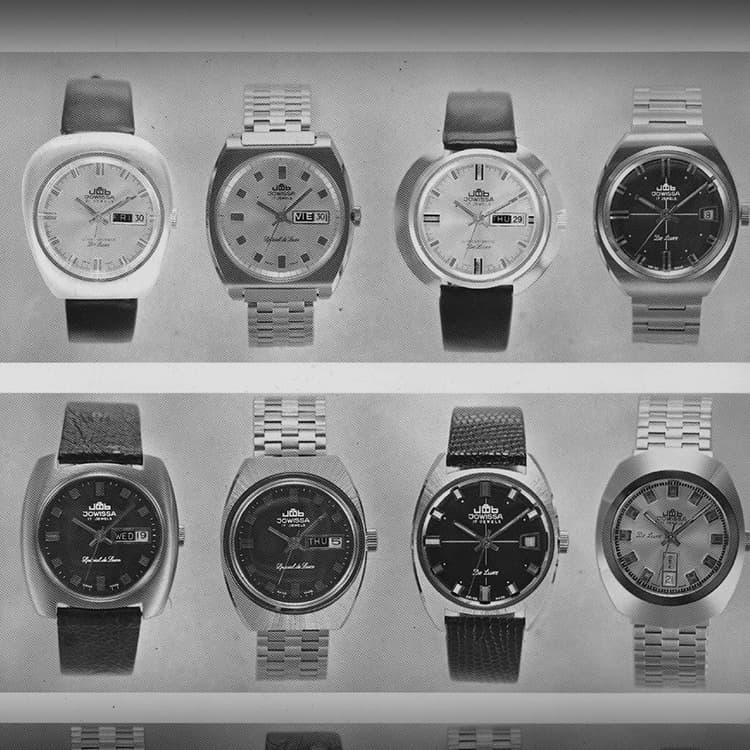
Enduring Legacy since 1951


